

IPS LCD vs AMOLED Displays: Which Screen Technology Is Better?
Choosing between IPS LCD and AMOLED displays affects more than just visuals. In 2026, display type impacts battery life, durability, eye comfort, and even repair costs.
If your phone screen shows discoloration, flickering, or touch issues, it may indicate a deeper display problem. In such cases, professional phone screen repair services can help identify whether the issue involves an IPS LCD or AMOLED panel.
Key Takeaways
- Explains the significance of display technology in electronic devices.
- Briefly introduces AMOLED (Active-Matrix Organic Light-Emitting Diode) and IPS LCD (In-Plane Switching Liquid Crystal Display).
- Highlights the fundamental differences between AMOLED and IPS LCDs.
- It lists the pros and cons of AMOLED and IPS LCD technologies for easy reference.
- It describes the content as engaging and informative for both tech fans and everyday users.
Quick Answer: IPS LCD vs AMOLED
- AMOLED delivers deeper blacks, higher contrast, and better power efficiency with dark content
- IPS LCD offers more accurate colors, better longevity, and consistent brightness
- AMOLED looks more vibrant
- IPS LCD is more stable over time
Neither display is “better” for everyone - usage matters more than specs.
IPS LCD (In-Plane Switching Liquid Crystal Display) is an advanced LCD technology that improves colour accuracy and viewing angles.

What Is IPS LCD?
IPS LCD (In-Plane Switching Liquid Crystal Display) is an advanced form of LCD technology designed to improve color accuracy and viewing angles.
IPS LCD screens are commonly found in budget and mid-range devices because they are more affordable to manufacture and repair. If an IPS display cracks or stops responding, LCD screen replacement is typically faster and less expensive than AMOLED repairs.
How IPS LCD Works
Uses a constant LED backlight
Liquid crystals rotate horizontally
Light passes through color filters to form images
Key IPS LCD Strengths
Accurate, natural-looking colors
Wide viewing angles with minimal color shift
No permanent burn-in risk
Stable performance over long-term use
Where IPS LCD Is Commonly Used
Budget and mid-range smartphones
Tablets and laptops
Professional monitors
Devices used for long static content
IPS LCD is widely preferred in design, productivity, and office environments where color consistency matters more than visual punch.
What Is AMOLED?
AMOLED (Active Matrix Organic Light Emitting Diode) uses organic compounds that emit light on their own - no backlight required.
Because AMOLED panels are thinner and more complex, damage often requires full panel replacement. If your AMOLED screen shows black spots, green lines, or burn-in, a professional OLED or AMOLED screen repair is recommended.
How AMOLED Works
Each pixel lights up independently
Black pixels turn completely off
No light bleed or backlight glow
Key AMOLED Strengths
True blacks and extremely high contrast
More vivid and saturated colors
Thinner and lighter displays
Better battery efficiency with dark themes
Where AMOLED Is Commonly Used
Premium smartphones
Smartwatches
Foldable and curved devices
Media-focused devices
AMOLED is designed to look impressive, especially for videos, gaming, and entertainment.
IPS LCD vs AMOLED: Side-by-Side Comparison

Color Accuracy
IPS LCD: More accurate, realistic colors
AMOLED: Brighter and more saturated, sometimes exaggerated
For photo editing and design, IPS LCD usually wins.
Contrast & Black Levels
AMOLED: Perfect blacks and infinite contrast
IPS LCD: Dark gray instead of true black
AMOLED clearly dominates here.
Brightness & Outdoor Visibility
IPS LCD: More consistent brightness in direct sunlight
AMOLED: Improved in recent years but still reflective
IPS LCD is often easier to read outdoors.
Viewing Angles
IPS LCD: Excellent viewing angles
AMOLED: Equally strong, sometimes better
Both perform well.
Power Consumption & Battery Life
AMOLED: More efficient with dark mode and black-heavy UI
IPS LCD: Consistent power usage regardless of content
AMOLED can save battery - but only with dark themes.
Durability & Longevity
IPS LCD: No burn-in risk, longer lifespan
AMOLED: Possible burn-in over time with static content
IPS LCD is safer for long-term use.
Super AMOLED vs IPS LCD
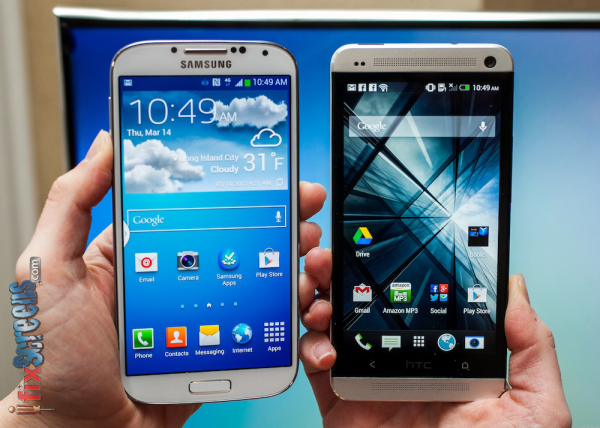
Super AMOLED is an improved AMOLED version where touch sensors are integrated directly into the display.
Super AMOLED Advantages
Thinner panels
Better outdoor visibility
Improved touch responsiveness
Lower reflection
Compared to IPS LCD, Super AMOLED still offers better contrast and design flexibility, but IPS LCD remains stronger for stability and lifespan.
Super AMOLED panels are common in premium phones but are more expensive to repair. If cracked, same-day phone screen repair may still be available depending on the model.
Is IPS LCD Better Than AMOLED?

It depends on usage.
IPS LCD Is Better If You:
Use your phone for work or productivity
Keep brightness high for long periods
Display static content often
Want long-term durability
AMOLED Is Better If You:
Watch videos or stream content frequently
Use dark mode most of the time
Want richer visuals and deeper blacks
Care about modern, premium design
AMOLED vs IPS LCD for Phones

Modern smartphones often use AMOLED for marketing appeal, but IPS LCD is still widely used due to:
Lower manufacturing cost
Reduced burn-in risk
Better repair affordability
Screen replacement costs are also generally higher for AMOLED than IPS LCD panels.
Repair & Replacement Considerations
When damaged:
AMOLED screens are more expensive to replace
IPS LCD screens are cheaper and easier to source
If your phone screen cracks, blacks out, or shows discoloration, repair options vary significantly depending on the display type.
Final Verdict: Which Display Should You Choose?
There is no universal winner in the IPS LCD vs AMOLED debate.
- AMOLED prioritizes visual impact
- IPS LCD prioritizes reliability and accuracy
Your ideal choice depends on how you use your device - not just which screen looks better in a store.
If your screen is cracked, flickering, or unresponsive, visiting a trusted local phone repair store ensures the correct display type is installed.
FAQs: IPS LCD vs AMOLED
Q. What is the main difference between IPS LCD and AMOLED?
A. AMOLED uses self-lit pixels for deeper blacks, while IPS LCD relies on a backlight for consistent color accuracy.
Q. Does AMOLED drain battery faster?
A. Not always. AMOLED can save power with dark content but may consume more power with bright screens.
Q. Is IPS LCD better for eyes?
A. IPS LCD typically produces more natural colors and consistent brightness, which some users find more comfortable.
Q. Can AMOLED screens get burn-in?
A. Yes, prolonged static images can cause burn-in, though newer displays reduce the risk.
Q. Which display lasts longer?
A. IPS LCD generally maintains performance longer without permanent image retention.